
Winter on Ice: Life on a Frozen Bay
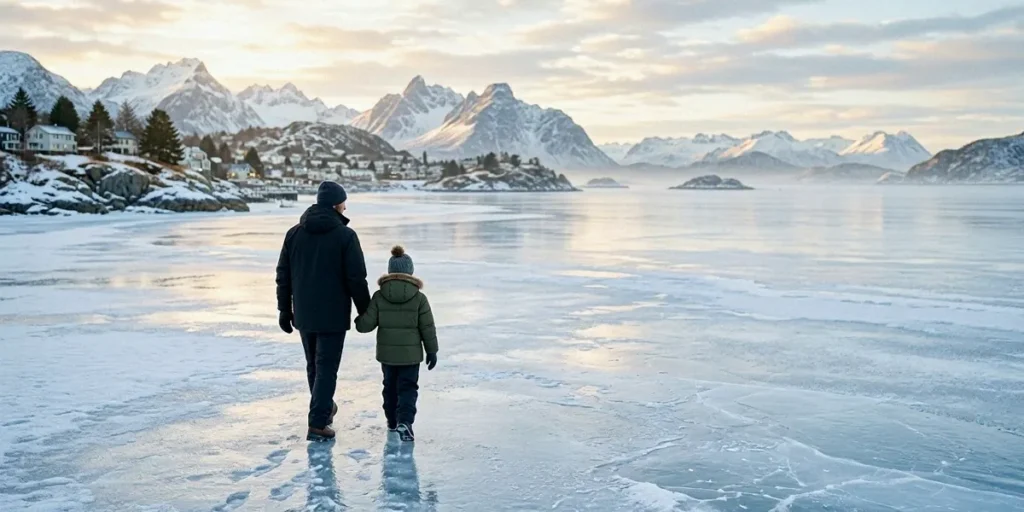
You wake at 7:40am to a sound that shouldn’t exist on a houseboat: silence. No lapping water against the hull, no gentle rocking. Just the low hum of a diesel heater and, somewhere outside, the crunch of boots on snow. Overnight, the bay beside Yellowknife has frozen solid enough to walk on, and our floating B&B is now a cabin sitting on a sheet of ice more than a metre thick. We’ve slept on houseboats on the Murray River and watched sunrise over Lake Eildon, but nothing prepared us for this. Frozen-water living is one of the most underrated unique stays we have ever experienced, and it deserves a spot on every traveller’s radar.
Why We Chose a Frozen Bay for Our Winter Escape
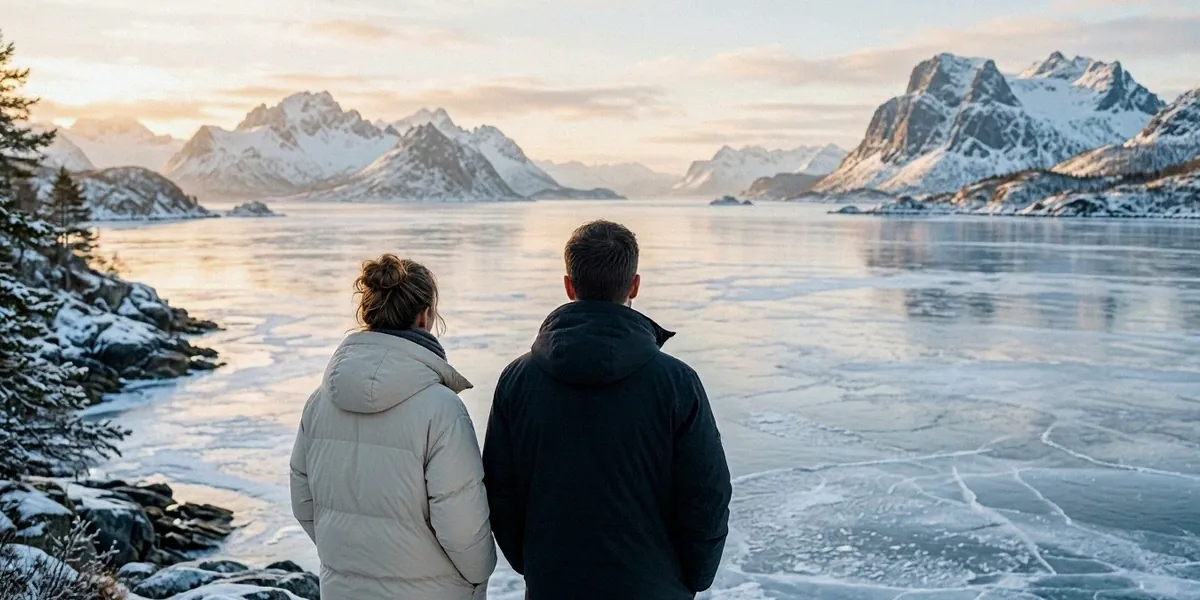
Most Australians picture a houseboat holiday as a lazy summer week of swimming, fishing and barbecues. We wanted the opposite. Trading a 38-degree January for -28 degrees in Canada’s Northwest Territories sounded absurd to our friends, which is usually a good sign.
From Australian Summer to Arctic Ice
Houseboat holidays Australia travellers book almost always happen on the Murray River, Lake Eildon or the Hawkesbury River, and for good reason: calm water, warm nights and no risk of your mooring line freezing into a solid block. We love those trips. But after a few seasons of the same river bends, we started hunting for a floating stay that would genuinely surprise us. Yellowknife, Northwest Territories, Canada, sits on the shore of Great Slave Lake, one of the deepest lakes in North America and a well-known aurora viewing destination. When we found a floating B&B operating there through winter, we booked it before we could talk ourselves out of it.
What Makes a Floating B&B Different in Winter
In summer, a houseboat is a platform for swimming and sunbathing. In winter, it becomes something closer to a remote cabin with a very unusual foundation. The bay freezes over for much of the season, which means the boat stops floating in any practical sense and starts behaving like a building. Everything changes: how you get aboard, how you get water, how you stay warm, and how carefully you watch the ice around you.
What Daily Life Looks Like on a Frozen Bay
A winter day aboard a houseboat is slower and more deliberate than anything we’ve done on an Australian river. Here’s how it usually unfolds.
Morning Routines When the Water Is Solid
First coffee, then ice check. We walk the perimeter of the hull with a spud bar and tape measure, noting thickness at several points and comparing it to the previous day. Only after that do we think about breakfast. Cooking happens on a propane stove, and we eat watching snowmobiles cross the bay toward Yellowknife, their tracks cutting fresh lines across the white. It’s a commute we never get tired of watching.
Heating, Power and Water on a Winter Houseboat
Staying warm is a full-time job. A floating B&B on a frozen bay requires constant ice-thickness monitoring and winterised plumbing, because a standard freshwater system will freeze and burst within hours. Our setup includes:
- A diesel heater running continuously, with a wood stove as backup
- Heat-traced water lines and an indoor holding tank instead of exposed pipes
- Solar panels plus a small generator to top up batteries during short daylight hours
- Propane for cooking, stored in a ventilated exterior locker
- Extra insulation around the hull and door seals to stop drafts
Showers are short, dishes are done in small batches, and we refill drinking water from jerry cans rather than trusting the onboard tank alone.
Evening Skies and the Aurora Borealis
By 9pm the temperature drops again and the sky clears. Yellowknife’s position under the auroral oval means the northern lights appear regularly, and from a frozen bay there’s no light pollution to compete with them. We’ve watched green curtains ripple overhead while standing on ice that creaked and boomed beneath our boots. It’s the single best argument for a winter float we can offer.
Safety and Practicalities of Houseboats on Ice
We never treat a frozen bay like a normal houseboat holiday. The risks are real, and the margin for error is smaller than most people assume.
How We Monitor Ice Thickness
Ice is not uniform. Currents, snow cover and temperature swings all affect how it forms. We measure at least twice daily, avoid areas near inflows or pressure ridges, and follow guidance from local operators and the territorial authorities in Yellowknife. If thickness readings drop or the ice starts talking in ways we don’t like, we move off the boat.
What to Pack for a Frozen Bay Stay
Pack for -30 and then add a layer. Our essentials:
- Insulated boots rated to -40, plus spare liners
- Down parka, merino base layers and windproof outer shell
- Balaclava, liner gloves and heavy mittens
- Headlamp with spare batteries for dark afternoons
- Satellite messenger and a printed list of emergency contacts in Yellowknife
When to Say No to a Winter Float
Some mornings you just don’t go out. If a warm spell has softened the surface, if wind is pushing open water against the shore, or if local advice says stay put, we stay put. No aurora photo is worth a breakthrough. Insurance for floating B&Bs in cold climates often excludes ice-related damage unless you’ve followed the operator’s protocols, so read the fine print before you book.
Unique Stays That Rival a Frozen Bay Houseboat
Since Yellowknife, we’ve tested other cold-climate and floating stays to see how they compare.
Floating Cabins and Off-Grid Houseboats
Floating cabins in Tasmania offer a gentler version of the same idea: still water, timber walls, and a wood heater instead of a diesel one. Off-grid houseboats on the Hawkesbury River trade ice for bushland and tides, but they share the same appeal of disconnection. Neither delivers the sheer strangeness of waking up on solid water.
Ice Hotels and Other Cold-Climate Alternatives
Ice hotels in Scandinavia are spectacular, but they’re built for one or two nights. A frozen-bay houseboat asks you to actually live in the cold for a week, which is a different and, we think, richer experience. Unique stays in cold climates include ice hotels, floating cabins and off-grid houseboats, and we’d happily recommend trying all three.
Lessons for Houseboat Holidays Australia Travellers Should Know
Our Yellowknife trip changed how we plan every floating stay, including the ones back home.
Booking a Floating B&B in Winter
Winter inventory is tiny, so book months ahead and confirm exactly what’s included: heating, water, transfers and emergency support. Ask whether the operator monitors ice themselves or expects guests to do it.
Respecting Local Knowledge and Conditions
Whether you’re on the Murray River in peak season or a frozen bay near Yellowknife, the locals know the water better than you do. Listen to them. Check conditions daily. And never assume a houseboat holiday works the same way in every climate.
Frequently Asked Questions
Can you actually stay on a houseboat when the bay is frozen?
Yes, but only with a properly winterised vessel. A floating B&B on a frozen bay requires constant ice-thickness monitoring and winterised plumbing, plus a heat source that runs reliably in extreme cold.
Is a frozen bay houseboat safe for first-timers?
It can be, provided you book with an experienced operator, follow their ice protocols, and accept that some days you simply don’t go outside. We’d suggest a guided stay before attempting anything independent.
How does this compare to houseboat holidays in Australia?
Houseboat holidays Australia travellers usually book on the Murray River, Lake Eildon or the Hawkesbury River are warmer, easier and far more forgiving. A frozen-bay stay is a bigger commitment, but it delivers scenery and silence you won’t find at home.
What’s the best time to visit Yellowknife for aurora viewing?
Late autumn through early spring offers long, dark nights. Yellowknife sits under the auroral oval, so chances are good across much of the winter, though clear skies matter more than any specific month.
A frozen bay is not a gimmick. It’s a genuinely transformative unique stay, one that rewires how you think about water, warmth and shelter. If you’ve done the Murray River and you’re ready for something stranger, look at a floating B&B in Yellowknife, or any of the cold-climate alternatives we’ve mentioned, and bring the same curiosity we did.